
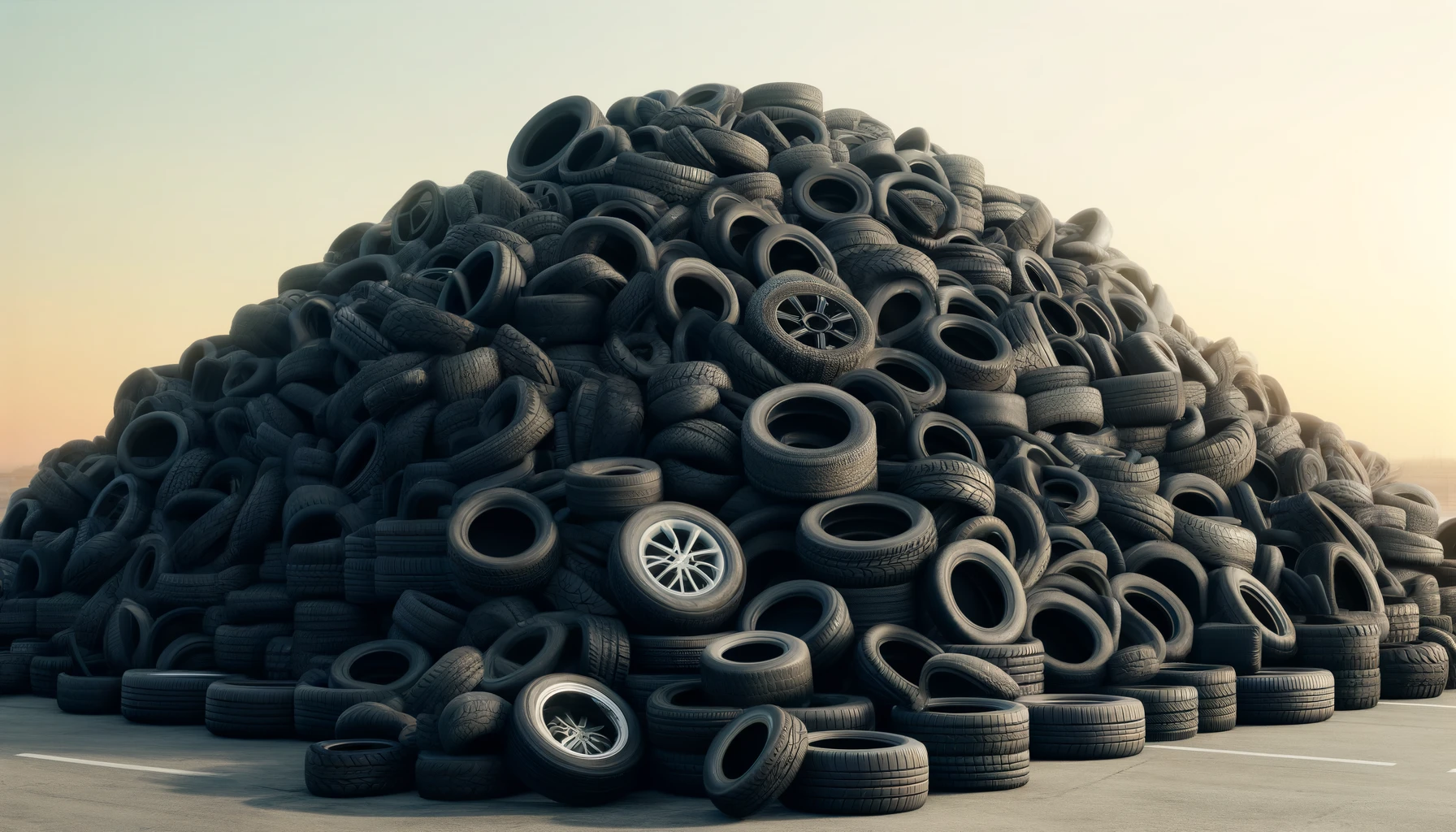
 1. Specialized Disposal Requirements
Tyres require specialized recycling processes. They cannot simply be thrown into a landfill or processed alongside general waste. Tyres need to be taken to dedicated recycling centres where they are handled in a way that minimizes environmental impact. These centres have the necessary equipment to break down tyres and recycle the materials.
2. Environmental Regulations
Disposing of tyres improperly can lead to severe environmental consequences, including air and soil pollution. Government regulations often mandate specific disposal methods for tyres to prevent such issues. Skip container companies adhere to these regulations by refusing to accept tyres, ensuring they are disposed of responsibly.
Hazardous Waste and Its Restrictions
1. Hazardous Waste Includes More Than You Might Think
Hazardous waste encompasses a broad range of materials, including asbestos, chemicals, batteries, and certain types of electronic waste. These materials can pose significant health and environmental risks if not handled correctly. Like tyres, hazardous waste requires specialized facilities for safe disposal.
2. Legal Compliance
Skip container companies must comply with local and federal laws regarding waste disposal. Accepting hazardous waste without the proper permits and disposal processes can lead to hefty fines and legal action. By refusing to take hazardous waste, these companies ensure they operate within the law and maintain safety standards.
What to Do with Restricted Items
1. Find a Specialized Recycling Centre
For tyres and hazardous waste, locate a specialized recycling centre in your area. These centres are equipped to handle such materials safely and in accordance with environmental regulations. Many communities have designated drop-off points or scheduled collection days for these types of waste.
2. Hire a Hazardous Waste Disposal Service
For large quantities of hazardous waste, consider hiring a specialized hazardous waste disposal service. These companies have the expertise and permits to handle, transport, and dispose of hazardous materials properly. This ensures your waste is managed safely and legally.
Best Practices for Waste Disposal
1. Separate Your Waste
Before renting a skip container, sort your waste into categories: general waste, recyclables, and restricted items like tyres and hazardous materials. This will make it easier to manage and ensure you comply with the skip company's guidelines.
2. Consult with Your Skip Container Provider
If you're unsure whether a particular item is acceptable, contact your skip container provider. They can give you detailed information about what can and cannot be disposed of in their containers. This will help you avoid unexpected issues and additional costs.
3. Stay Informed About Local Regulations
Waste disposal regulations can vary by location. Stay informed about the rules in your area to ensure you dispose of all waste types correctly. Local government websites and environmental agencies are good sources of information.
Conclusion
Understanding why skip container companies don't accept tyres and hazardous waste is crucial for effective waste management. By recognizing the need for specialized disposal and adhering to environmental regulations, you can ensure that your waste is managed responsibly. Remember to separate your waste, consult with your provider, and utilize specialized services for restricted items. This approach not only complies with legal requirements but also contributes to a cleaner and safer environment for everyone.