
Just as you plan your project, finding ways to save money on skip hire can greatly benefit your budget. In this guide, you'll discover effective strategies that help you minimise costs while ensuring you have the right size skip for your needs. Whether you're clearing out your home or managing a construction site, implementing these tips will allow you to make informed choices that maximise your savings without compromising on service quality.
Many residents in South Wales are seeking ways to reduce costs when hiring skips for waste disposal. By understanding the different sizes available, planning your project effectively, and comparing quotes from multiple providers, you can significantly cut down expenses. Additionally, considering options like local firms and flexible hire periods can enhance your savings. This guide will provide you with necessary tips to maximise your budget while ensuring efficient waste management.
Key Takeaways:
- Compare prices from multiple skip hire companies to find the best deal.
- Consider the size of the skip carefully to avoid paying for unnecessary space.
- Book in advance to secure lower rates and availability, especially during peak times.

Key Takeaways:
- Compare quotes from multiple skip hire companies to find the best deal.
- Choose the right size skip to avoid paying for unused space.
- Consider filling the skip efficiently to maximise space and reduce costs.
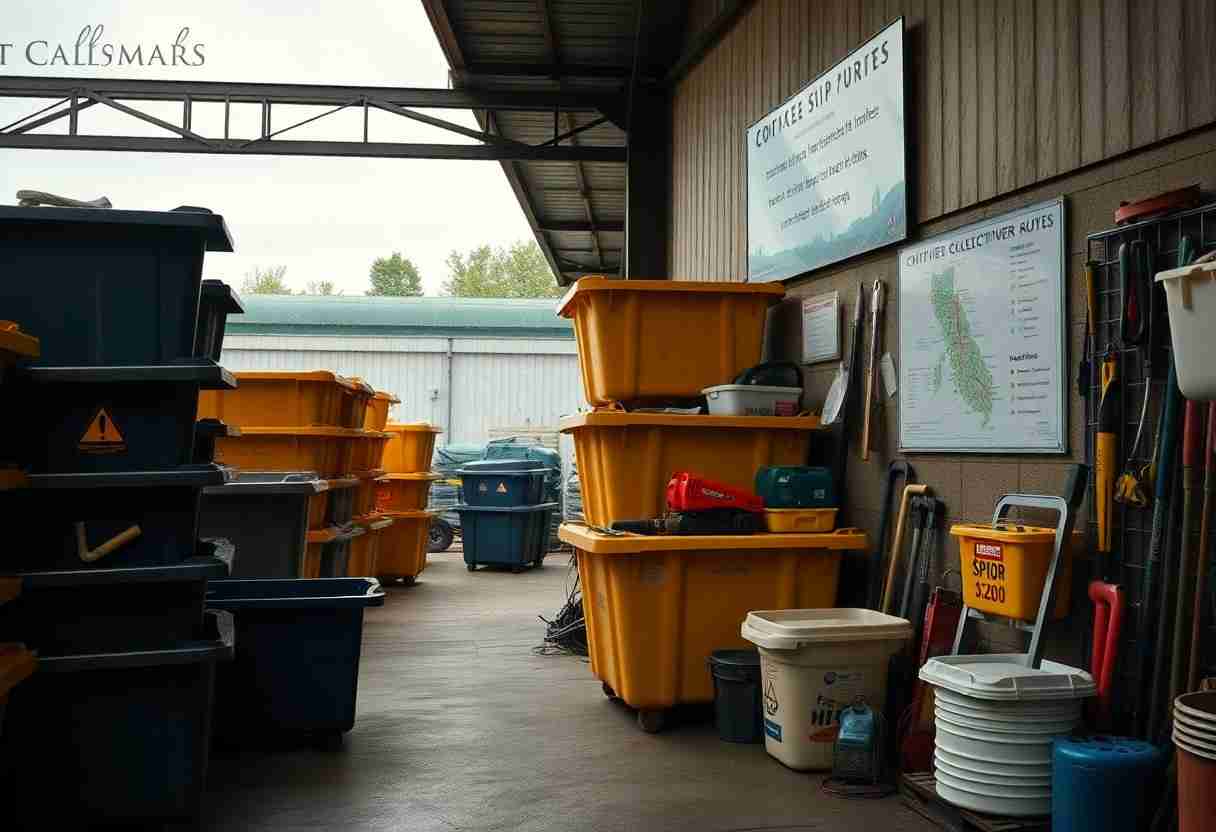
Understanding Skip Hire
When you opt for skip hire, you're choosing a convenient solution for waste management, crucial for both residential and commercial projects. It allows you to dispose of large amounts of rubbish efficiently, avoiding the hassle of multiple trips to the local waste facility. You can select from various skip sizes, depending on the volume of waste you need to dispose of, ensuring that your project runs smoothly.
What is Skip Hire?
Skip hire is a service that provides large containers, known as skips, for the disposal of waste. These containers can be delivered to your location, filled with unwanted materials, and collected when you're finished. This service is ideal for construction sites, home renovations, and garden clearances, offering an easy way to manage and remove waste responsibly.
Factors Influencing Skip Hire Costs
Several elements affect the overall cost of skip hire, including the size of the skip, the duration of hire, and the type of waste you're disposing of. Additional fees may apply for permits if the skip is placed on public land. You might also see variations in rates between different service providers. Understanding these factors can help you forecast your expenses accurately.
- Size of the skip
- Duration of hire
- Type of waste
- Service providers
- Permits for public land
To research deeper, the size of the skip plays a significant role; smaller skips typically cost less than larger ones, but ordering too small might lead to additional trips and charges. The waste type is also important; for instance, hazardous materials may incur higher fees for appropriate disposal. Additionally, varying rates across providers illustrate the benefit of obtaining multiple quotes for your specific needs. Recognising these influences will empower you to make informed decisions for effective waste removal.
- Size of the skip
- Waste type
- Additional trips
- Providers variability
- Permits influence
Understanding Skip Hire
Skip hire is an important service for those undertaking residential or commercial projects that generate waste. This service allows you to rent a skip, a large container, to manage rubbish disposal efficiently. The process can simplify your clean-up efforts, save time, and help maintain an organised work environment while ensuring compliance with waste regulations.
What is Skip Hire?
Skip hire involves renting a skip, which is used for disposing of large amounts of waste, such as construction debris, garden refuse, or household junk. Local skip hire companies provide various skip sizes to cater to different project needs, and they collect and dispose of the waste responsibly.
Key Factors to Consider
Before hiring a skip, consider various factors that can influence your choice and costs. Assess the size of the skip necessary for your project, the type of waste you'll be disposing of, and local regulations. Factors such as delivery time and hidden fees are also important to ensure a smooth transaction. The right considerations can lead to a more efficient waste management process.
- size of the skip
- type of waste
- local regulations
Understanding these aspects can significantly impact your skip hire experience. For instance, selecting the correct size of the skip can prevent unnecessary extra costs associated with overfilling or needing an additional skip. Tailoring your skip hire to your waste type can also ensure compliance with local regulations, as certain materials may require special handling. The right decisions can enhance efficiency and save you money.
- size of the skip
- local regulations
- hidden fees
How to Choose the Right Size Skip
Selecting the correct skip size is necessary to avoid extra costs and ensure efficient waste disposal. Save Money On Skip Hire: Common Pitfalls can help you identify the best fit for your project.
Assessing Your Waste Disposal Needs
To select the right skip size, begin by evaluating the volume and type of waste you'll generate. Consider whether it includes heavy items, mixed materials, or garden refuse, as these factors will influence your choice. Making a detailed assessment helps prevent overloading and additional costs.
Tips for Selecting the Appropriate Skip Size
When choosing a skip, refer to the sizes available and think about the weight and density of your materials. Standard skip sizes range from 2 to 40 cubic yards, enabling you to pick one that suits your requirements. Visual guides can assist you in determining how much waste each size can accommodate, helping you avoid unnecessary expenditure. Recognising the specific nature of your waste will guide your decision.
- Standard skip sizes up to 40 cubic yards
- Visual size guides for waste estimation
- Weight and density considerations
For optimal results, consider the types of materials you plan to dispose of. For lightweight materials, a smaller skip may suffice, while heavier construction debris will require a larger one. It's wise to consult with your skip hire provider for size recommendations based on your project specifics. Recognising your unique waste profile will streamline the process.
- Lightweight versus heavy materials
- Consulting with providers for guidance
- Streamlined decision-making for your project
Tips for Reducing Skip Hire Costs
To effectively minimise your skip hire expenses, consider various strategies that can lead to significant savings. Several factors contribute to the total cost, and by optimising these elements, you can keep your budget in check. Here are some practical tips:
- Choose the right size of skip
- Timing your hire effectively
- Compare prices from different providers
- Understand local regulations
Any effort you make to carefully assess these factors will pay off in reduced costs.
Choosing the Right Size
Selecting an appropriately sized skip is vital for avoiding unnecessary expenses. If you order a skip that is too large, you may pay for unused space; conversely, a skip that's too small could lead to extra charges for additional skips or overloading. To determine the right size, assess the volume of waste you anticipate generating and consult with your skip hire provider for guidance based on your specific project.
Timing Your Hire
When you schedule your skip hire can significantly influence the overall cost. Local suppliers often have peak and off-peak pricing, with rates typically lower during weekdays compared to weekends. Additionally, holidays and local events might affect availability and pricing. Planning your hire during quieter times not only saves money but also ensures you secure the skip you need without delay.
To elaborate further, consider booking your skip in advance while being mindful of your project's timeline. Many reputable companies offer discounts for early bookings. If your project allows for flexibility, observing when demand is lower within your locality can lead to further savings. Additionally, avoid opting for last-minute hires; these can result in inflated prices and limited availability, leaving you with fewer options.
Comparing Skip Hire Providers
When exploring skip hire options, it's important to analyse the various providers in your area. By comparing their services, prices, and customer reviews, you can make a well-informed choice that aligns with your budget and requirements.
| Criteria | Description |
|---|---|
| Price | Evaluate the total cost, including delivery and collection fees. |
| Service Quality | Check customer reviews and ratings for reliability. |
| Skip Sizes | Ensure they offer the sizes you need for your project. |
Researching Local Companies
Investigate local skip hire companies through online searches, reviews, and referrals. Prioritising those with a strong community reputation can enhance the likelihood of receiving dependable service and fair pricing.
Tips for Getting Multiple Quotes
Acquiring several quotes is a vital strategy for securing the best deal possible. Reach out to various skip hire providers and request detailed quotes, ensuring to clarify any extra charges to avoid surprises later.
- Request quotes from at least three skip hire providers.
- Ask for a breakdown of costs, including delivery and collection fees.
- Ensure all quotes are for the same service level to ensure comparability.
When gathering quotes, pay close attention to the specifics. This ensures you compare like for like and fully understand what each provider includes in their pricing. A comprehensive cost breakdown should highlight any hidden charges or benefits, allowing for a clear evaluation of your options. Perceiving these details can lead to significant savings in the long run.
- Look for promotions or discounts that could affect your final price.
- Consider the overall reputation of the provider, not just the cost.
- Ask about their policies on delays or cancellations.
Comparing Prices from Different Providers
To maximise your savings, you should actively compare prices from various skip hire companies. Each provider may offer different rates depending on the skip size and rental duration. By Affordable Skip Hire South Wales - Full Circle Recycling, you'll find competitive pricing that can significantly lower your costs. Don't hesitate to request quotes and make direct comparisons to uncover the best value for your needs.
| Provider | Price Range |
|---|---|
| Provider A | £100 - £150 |
| Provider B | £90 - £140 |
| Provider C | £120 - £160 |
Researching Local Companies
In your search for the best skip hire, researching local companies is pivotal. Local providers often have lower overhead costs, which translates to better prices for you. Make use of online resources to find customer reviews and compare services. Look for companies with a strong reputation and transparent pricing to ensure you receive a reliable service.
Negotiating Rates
You may find that negotiating rates can lead to further savings on your skip hire. Many providers are open to discussion, especially if you can demonstrate a competitive offer from another company. Don't shy away from asking about discounts for longer hire periods or bundled services.
When engaging with skip hire providers, approach negotiations with a clear understanding of your budget and the market rates. Presenting them with quotes from competitors can strengthen your position, as many companies prefer to retain customers rather than lose them to cheaper alternatives. Be courteous yet assertive in your discussions; often companies will appreciate your honesty and may offer additional benefits or lower prices to secure your business.
Timing Your Skip Hire
Concerning skip hire, timing plays a significant role in your overall costs. Renting a skip during the right period can lead to substantial savings, so planning your hire around specific times of the year is crucial. Understanding how peak and off-peak seasons affect prices can significantly impact your budget and project timelines.
Off-Peak vs. Peak Seasons
Typically, skip hire prices soar during peak building seasons, primarily spring and summer months. Many people undertake renovations during this time, increasing demand and costs. In contrast, hiring skips during the off-peak season, such as autumn and winter, often yields savings due to lower demand and promotional offers from providers.
Tips for Scheduling Your Hire
To maximise your savings on skip hire, plan your pick-up and delivery during off-peak times whenever possible. Keep in mind the duration of your project and aim to schedule your hire around these factors. Additionally, booking in advance can often secure better rates than last-minute hires.
- Plan ahead for better rates.
- Consider seasonal demand for lower costs.
- Schedule outside of peak hours to save money.
- Book your skip early to avoid inflated prices.
- Assume that early planning will yield the best deals.
Effective scheduling not only saves you money but also helps avoid delays in your project. Be sure to communicate your requirements clearly with the skip hire company, ensuring they can meet your timeline and needs. Some providers might offer discounts for advance bookings, so inquire about their pricing structures. Avoiding weekends or bank holidays can also be advantageous, as costs tend to escalate during these busy periods.
- Communicate clearly with your provider.
- Look for discounts on advance bookings.
- Avoid weekends for cheaper rates.
- Be specific about your timelines.
- Assume that clear communication can facilitate better deals.
Maximising Efficiency
To get the most value from your skip hire, focus on maximising efficiency during the loading process. Efficient use of space not only optimises your costs but also reduces the number of trips needed for waste disposal. By planning ahead and being conscious of how you load your skip, you can avoid paying for excess waste that could have been contained within the same skip. This approach ultimately saves you both time and money.
Proper Filling Techniques
Utilising proper filling techniques is key to making the most of your skip hire. Start by placing heavier items at the bottom, distributing the weight evenly. As you fill the skip, adopt a staggered stacking method, which helps minimise gaps and voids. Additionally, breaking down large items can free up precious space, allowing for an optimised load.
Avoiding Forbidden Items
Steering clear of forbidden items is vital to comply with regulations and avoid additional fees. These items typically include hazardous materials, such as batteries and chemicals, and items like tyres and electrical appliances. Each skip hire company has its own list of prohibitions, so it's important to confirm these details before filling your skip.
Failing to adhere to the rules regarding forbidden items can lead to penalties and may even result in your skip being left uncollected. For instance, disposing of a tyre in a skip could incur a fine or additional charge, as most skip hire services will not accept such items due to environmental regulations. Always check the company's guidelines thoroughly; prioritising compliant waste disposal not only saves you money but also ensures proper environmental practices are followed.
Additional Tips to Save Money
Implementing a few practical strategies can help you lower your skip hire costs significantly. Focus on reducing waste before your hire and carefully choose your provider. Always consider scheduling your skip for a weekday, as weekend rates may be inflated. Also, ensure you fill your skip efficiently to avoid needing a second one. Lastly, check if your local council offers discounts for residents. This will ultimately lead to financial savings.
- Compare different providers
- Choose the right size skip
- Book during the week
- Fill the skip efficiently
- Look for council discounts
Reducing Waste Before Hiring a Skip
Before hiring a skip, assess your waste and aim to reduce it. You might be surprised at how much can be recycled or reused, potentially cutting down on the volume you need to dispose of. By decluttering first, you not only save money on skip hire but also contribute positively to the environment.
Considering Alternative Waste Disposal Options
Exploring alternative waste disposal options could be beneficial for both your wallet and the environment. Look into local recycling centres, which may accept bulky items free of charge. Charities often welcome furniture donations, while some firms offer pick-up services for larger items. You might even find that community initiatives allow for shared skips, helping you save costs.
Investigating these options can significantly impact your overall expenditure. For instance, many local councils in South Wales have recycling schemes that can handle specific waste, such as electronic items or garden refuse, without added costs. Additionally, community groups sometimes organise free bulky waste collections. Therefore, combining these resources can lead to substantial savings on your skip hire needs while promoting sustainable waste practices.
Additional Cost-Saving Alternatives
There are alternative strategies to manage waste without incurring significant costs from skip hire. Exploring options like community recycling schemes and DIY waste removal not only saves you money but also promotes sustainable practices. These methods require some effort but can result in substantial savings.
Community Recycling Options
Engaging with local community recycling initiatives can significantly cut down your waste disposal costs. Many councils in South Wales offer free collection of recyclables and household waste drop-off points. By using these facilities, you not only save on skip hire fees but also contribute to environmental sustainability.
DIY Waste Removal
Handling waste disposal yourself can be a rewarding way to save money. Renting a van or using your vehicle can allow you to transport junk directly to the local landfill or recycling centre. This option may require physical effort and planning, but the savings are substantial compared to hiring a skip.
With DIY waste removal, you gain greater control over the process. Plan your trips to coincide with designated landfill hours to avoid unexpected closures. Ensure you understand what materials are accepted to prevent additional costs. By loading your vehicle efficiently, you can minimise the number of trips required, maximising your savings while decluttering your space effectively.
Understanding Extra Charges
When hiring a skip, it's vital to be aware of potential extra charges that can significantly increase your overall cost. Factors such as permits, extended hire periods, or exceeding weight limits can lead to unexpected expenses. Always clarify the terms with your provider to avoid unpleasant surprises that could derail your budget.
Hidden Fees to Look Out For
Many skip hire companies impose hidden fees that aren't immediately apparent at the time of booking. Common examples include charges for not returning the skip on time, overfilling it, or specific disposal fees for hazardous waste. You should scrutinise your contract to ensure that you're fully informed about these potential costs.
Tips for Avoiding Unexpected Costs
To sidestep unexpected costs, consider planning your skip hire in detail before placing an order. Obtain a comprehensive quote that includes all associated fees, assess your waste accurately to avoid overfilling, and adhere strictly to hire periods. Clear communication with your provider can also mitigate any misunderstandings.
- Ask for a detailed breakdown of your quote.
- Confirm the terms related to weight limits.
- Schedule your hire to avoid late return fees.
- Classify hazardous waste to understand any possible disposal fees.
- Plan your project timeline to reduce unnecessary extension costs.
This vigilant approach not only helps you avoid unexpected costs but also ensures a smoother experience. Keeping a close check on your skip hire service can significantly enhance your satisfaction with the process. Regularly review your waste plan to minimise unnecessary expenses associated with incorrect classifications or insufficiencies in your expectations.
- Review waste disposal policies for any additional charges.
- Request confirmation regarding permits if needed.
- Consider additional services for excess waste management.
- Request guidance on your waste types to clarify pricing.
- Prepare your skip ahead of collection to avoid pick-up fees.
This proactive strategy ensures comprehensive understanding and management of your costs when hiring a skip, enabling you to make informed decisions and potentially save a substantial amount. Engaging a reliable service provider will also provide added peace of mind, knowing you have all bases covered in your planning.
Understanding Terms and Conditions
Before finalising your skip hire, it's necessary to thoroughly read and comprehend the terms and conditions. This ensures you're aware of any specific clauses that could affect your hire experience. Familiarising yourself with these stipulations helps avoid disputes and ensures that you comply with regulations applicable to your area.
Hidden Fees
Be vigilant about hidden fees that may not be immediately apparent when you receive your initial quote. Charges for permits, additional weight, and overloading are common surprises that can inflate your final bill significantly. Always request a comprehensive breakdown of potential extra costs before booking your skip hire service.
Rental Duration Factors
The rental duration can significantly influence your skip hire costs. Short-term hires might seem cheaper, yet depending on your project size, you may find yourself needing a skip for a longer period than initially planned, which could lead to additional costs. Ensure you accurately assess your waste disposal needs to avoid unnecessary fees.
- Consider your project to estimate the rental duration.
- Length of hire can affect both availability and pricing.
- Check if your provider offers flexible durations that suit your timeline. The more informed you are about the duration, the better you can plan your budget.
Evaluating rental duration factors involves key considerations such as the volume of waste generated and the timeline of your project. If you underestimate the time needed for clearance, you may incur charges for extending the rental period. Many skip hire companies offer discounts for longer-term rentals, so weighing your options can lead to considerable savings. Always communicate your requirements clearly to ensure you choose a package that best fits your disposal needs.
- Clarify your project's timeframe to choose an appropriate rental duration.
- Plan ahead to mitigate risks of additional fees.
- Assess daily usage to optimise the rental period. The right assessment can streamline your skip hire experience, helping you save significantly.
Final Words
On the whole, saving money on skip hire in South Wales involves careful planning and consideration. You should compare quotes from multiple providers, choose the appropriate size for your needs, and consider your waste disposal options. Booking in advance and taking advantage of any available discounts can further reduce costs. Additionally, you might explore local regulations to prevent unnecessary fines. By taking these steps, you can effectively manage your budget while ensuring your waste is disposed of responsibly.
Summing up
To wrap up, saving money on skip hire in South Wales involves careful planning and consideration. You should compare quotes from various providers, take advantage of any discounts, and opt for the right-sized skip to avoid unnecessary costs. Scheduling your hire during off-peak times can also lead to significant savings. Additionally, ensuring you load your skip efficiently can maximise space and minimise the number of skips needed. By utilising these strategies, you can manage your waste disposal more cost-effectively.
FAQ
Q: How can I reduce the cost of skip hire in South Wales?
A: To reduce costs, consider combining your skip hire needs with neighbours or friends, thereby sharing the expense. Opt for a size that meets your requirements without excess capacity, as larger skips may incur additional charges. Additionally, book your skip outside peak times and ensure all waste is sorted to avoid extra fees.
Q: Are there any additional charges I should be aware of when hiring a skip?
A: Yes, additional charges may include fees for permits if the skip is placed on a public road, weight overages if you exceed the skip's weight limit, and charges for specific types of waste that require special handling. Always inquire about these potential costs before finalising your hire.
Q: What types of waste can I put in a skip to avoid extra charges?
A: Most skips can accommodate general household waste, garden waste, and some construction materials. However, avoid placing hazardous materials, electronic waste, or tyres in the skip, as these can incur additional fees or require a separate disposal service. Always confirm with the hire company regarding their waste acceptance policy.