
Over the course of your waste removal project, you will need to consider various factors to ensure efficiency and compliance. Selecting the right size skip is vital for accommodating your waste, while understanding local regulations will help avoid fines. Choosing a reputable skip hire company in South Wales enhances reliability and service quality. By planning your project carefully, you can streamline the process and benefit from a cleaner, more organised space, ultimately contributing to a sustainable environment.
Key Takeaways:
- Assess the volume and type of waste to determine the appropriate skip size and type needed for the project.
- Check local regulations and permits required for skip placement and waste disposal in South Wales.
- Choose a reputable skip hire company that offers reliable service and transparent pricing to ensure a smooth process.
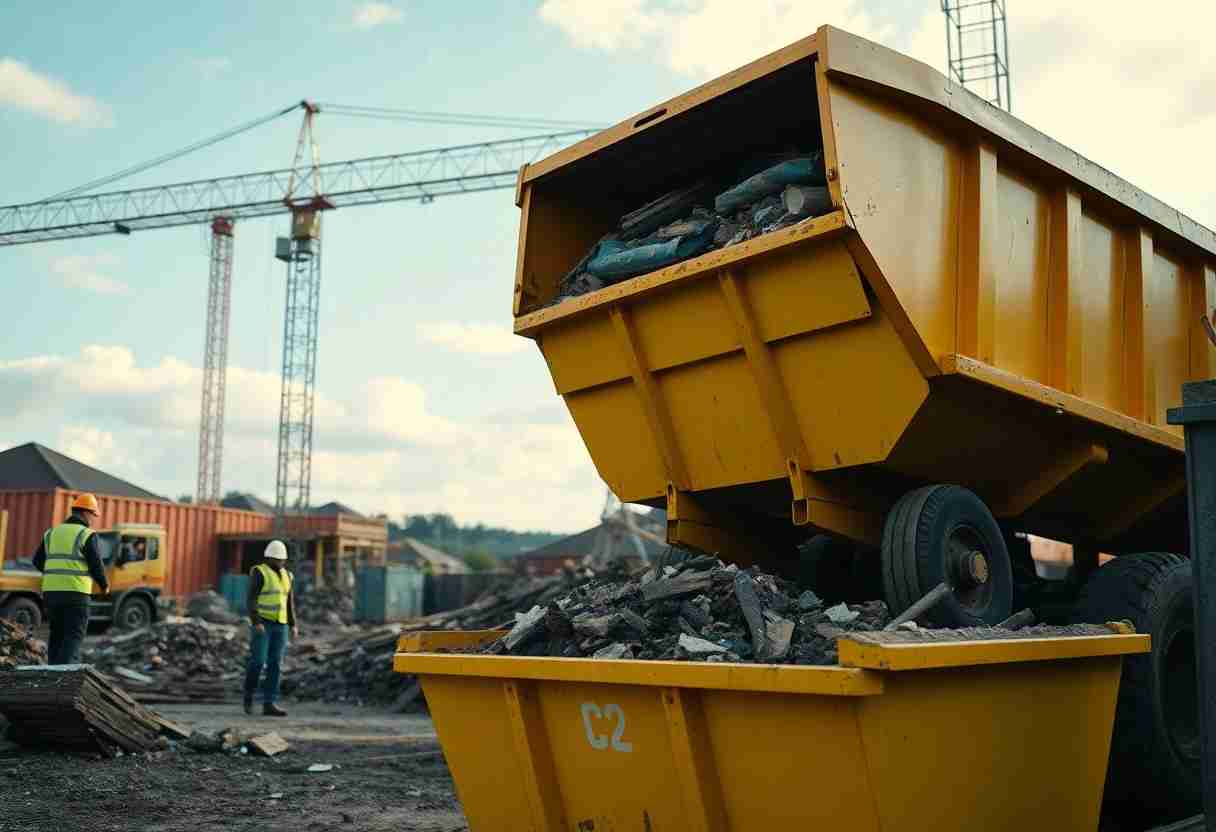
Understanding Skip Hire
Skip hire provides an efficient solution for managing waste during any project, whether it's a home renovation or a large construction job. This service allows you to conveniently dispose of bulky and unwanted materials without the hassle of multiple trips to the landfill, ensuring you stay focused on your project.
What is Skip Hire?
Skip hire is the process of renting a skip, which is a large open-top container used for collecting and transporting waste. You arrange for delivery to your site, fill it with waste, and the service provider picks it up for proper disposal. This streamlined process saves you time and effort, allowing you to concentrate on your project.
Benefits of Using a Skip
Utilising a skip comes with numerous advantages, including cost-effectiveness, convenience, and environmental responsibility. By hiring a skip, you eliminate multiple trips to a disposal site, which in turn saves you on fuel costs and time. It also helps maintain a tidy working area, enhancing safety and productivity on-site. Furthermore, reputable skip hire companies ensure that waste is disposed of following local regulations, which means you're contributing to environmental sustainability.
By hiring a skip, you create a hassle-free waste management system that adapts to your project needs. You can choose from various skip sizes, ensuring you only pay for the capacity you require. This flexibility assists in managing different types of waste—from construction debris to garden refuse. The responsibility of proper waste disposal is transferred to the skip hire company, reducing the strain on local landfills while supporting recycling efforts. Ultimately, effective skip hire not only supports your project but also endorses eco-friendly practices.
Planning Your Waste Removal Project
Effective planning is vital for ensuring your waste removal project runs smoothly. Begin by evaluating the scope of your project to understand the amount and type of waste you'll generate. For insights on managing construction waste efficiently, consider exploring Skip hire for construction, where you can find valuable tips tailored to your needs.
Assessing Your Waste Needs
Before organising skip hire, assess the nature and volume of your waste. Consider factors like whether you're disposing of bulky items, hazardous materials, or general refuse. This assessment will guide you in determining the most appropriate skip size and type required for your project.
Choosing the Right Skip Size
Selecting the correct skip size is fundamental to efficient waste removal. Skips typically range from 2 to 40 cubic yards, catering to varying project scales. For small domestic jobs, a 2 cubic yard skip may suffice, while larger renovations or commercial projects often require skips that hold 8 cubic yards or more. Overloading a skip can lead to additional charges or safety hazards, so confirming your waste volume beforehand is vital for effective planning.
Key Factors to Consider
When planning your waste removal project, several key factors require your attention. Consider the size of the skip needed, the types of waste being disposed of, and the duration of hire. Additionally, assess the cost implications and the potential for environmental impact. Always verify the availability of skip hire services in your area. Recognising these elements will help streamline your project.
Local Regulations and Permits
Each council in South Wales has specific regulations regarding waste disposal, which can include the need for permits when placing skips on public roads. Always check with your local authority to ensure compliance and avoid fines. Contact details for your local council can usually be found online for easy access.
Site Access and Requirements
Your site access directly impacts skip placement and waste removal efficiency. Ensure there is ample room for the skip to be delivered and collected safely. Also, consider any potential obstructions, such as low-hanging branches or narrow driveways, which may complicate the process. If the skip needs to be placed on a public road, additional measures, such as traffic cones or signage, may be necessary.
Evaluate your site thoroughly for accessibility. If your location is tight or has steep inclines, it could impede the delivery truck's ability to position the skip correctly. In some cases, you may need to arrange for alternative access routes or even move vehicles that obstruct passage. Having a clear understanding of your site's layout beforehand saves time and ensures smooth operations on the day of delivery.
Tips for an Efficient Project
For an efficient project, focus on clear communication and organisation among your team. Establish designated roles so everyone knows their responsibilities. Additionally, consider the following tips:
- Choose the right size of skip for your needs
- Label waste types for easy sorting
- Plan around the weather to avoid delays
- Maximise skip space by breaking down large items
Organizing Your Waste
Organising your waste is crucial to maximise efficiency during the removal process. Sorting waste into categories such as general waste, recyclables, and hazardous materials will not only ensure compliance with local regulations but also facilitate easier disposal. You may also consider using colour-coded bins or labels to help your team quickly identify the right categories. Maintaining a designated area for each waste type will further streamline the process.
Scheduling Your Skip Delivery
Scheduling your skip delivery should align with your project timeline for maximum efficiency. Contact your skip hire provider well in advance to secure your preferred delivery date. Consider the duration of your project and the amount of waste you expect to accumulate; this will help you decide on skip size and the number of skips required. You might find it beneficial to schedule multiple deliveries if your project spans an extended period.
When scheduling, consider peak times and any potential delays from busy seasons. Providing your skip hire service with accurate project dates will ensure they can accommodate your needs without disruption. Ideally, arrange for the skip to arrive at the start of your project, which allows for immediate waste disposal. Additionally, confirm with your provider about any local restrictions regarding skip placement to ensure compliance and avoid fines. Your proactive planning will significantly influence the project's overall success.
Cost Considerations
Understanding the costs involved in skip hire is necessary for effective project management. Several factors play a role in determining the overall expense, from the size of the skip to the duration of hire and local regulations. Each of these aspects can influence your budget significantly, so being informed can lead to better decision-making.
Factors Affecting Skip Hire Costs
Various factors can impact skip hire prices, including:
- Skip size: Larger skips generally cost more to hire.
- Rental duration: Longer hire periods increase expenses.
- Location: Prices may vary based on your area in South Wales.
- Type of waste: Certain waste types may incur additional charges.
After considering these aspects carefully, you can formulate a more accurate budget for your project.
Budgeting for Your Project
When budgeting for your skip hire, account for all associated expenses beyond the initial hire fee. You should include potential local council permits, delivery and collection charges, and any extra fees for specialised waste disposal. Establishing a comprehensive budget will help you avoid unforeseen financial burdens, ensuring that your project remains on track.
Safety and Environmental Practices
Incorporating safety and environmental practices into your waste removal project is imperative for protecting both your team and the planet. From proper training to adhering to local regulations, each step you take can significantly impact safety outcomes and sustainability efforts. It's vital to remain aware of your surroundings and implement best practices throughout the project, ensuring a smooth and responsible waste removal process.
Safe Waste Handling Techniques
Utilising safe waste handling techniques minimises risk on-site. Always wear appropriate personal protective equipment (PPE) such as gloves, helmets, and high-visibility clothing. When lifting heavy items, employ proper techniques, including bending your knees and keeping your back straight, to prevent injuries. Additionally, ensure the skip is placed in a safe location, avoiding congestion and allowing easy access for your team.
Eco-Friendly Disposal Options
Choosing eco-friendly disposal options is integral to reducing your environmental impact. When hiring a skip, select a company that prioritises recycling and complies with regulations. Many materials, such as metals, plastics, and wood, can be processed for reuse, diverting waste from landfills and promoting sustainability within your community.
For instance, many skip hire companies in South Wales adopt a zero-to-landfill policy, where as much as 90% of the waste collected is recycled. This means that materials like concrete can be crushed and reused in construction, while wood might be repurposed for furniture or biomass energy. By choosing a reputable skip hire service that supports eco-friendly initiatives, you contribute to a cleaner environment and encourage responsible waste management practices in your area.
Final Words
Following this guide, you can effectively plan your waste removal project using skip hire in South Wales. Assess your waste types and volumes, select the appropriate skip size, and book in advance to ensure availability. Familiarise yourself with local regulations regarding skip placement and collection. By coordinating with your chosen skip hire company, you can streamline the process and ensure efficient waste disposal, keeping your project on track and your environment clean.
FAQ
Q: What are the steps to planning a waste removal project using skip hire in South Wales?
A: Begin by assessing the volume and type of waste you need to remove. Next, determine the appropriate size of skip based on your assessment. Contact local skip hire companies for quotes and availability, ensuring they hold the necessary licences. Once you've chosen a provider, arrange for the skip to be delivered on your project start date, and plan for where the skip will be placed. Finally, prepare the area for access and inform neighbours, especially if the skip will be on a public road.
Q: How do I choose the right size skip for my project in South Wales?
A: To choose the right skip size, estimate the total volume of waste you expect to generate. Skips typically come in various sizes, measured in cubic yards, with common options ranging from 2 to 16 cubic yards. A general guideline is that a small room's renovation might require a 4-yard skip, while a larger house clearance might need a 12-yard skip. Consult with the skip hire company for advice on the best size based on your specific project.
Q: Are there any restrictions on what can be disposed of in a skip in South Wales?
A: Yes, there are restrictions on certain items. Hazardous materials, such as asbestos, tyres, batteries, and electrical appliances, cannot be placed in skips. Local regulations may also prohibit the disposal of general waste that could cause environmental harm. It is advisable to check with the skip hire provider for a comprehensive list of prohibited items and alternative disposal methods for those materials.